
Table of Contents
What can I do to encourage an autism-friendly Thanksgiving for my family?
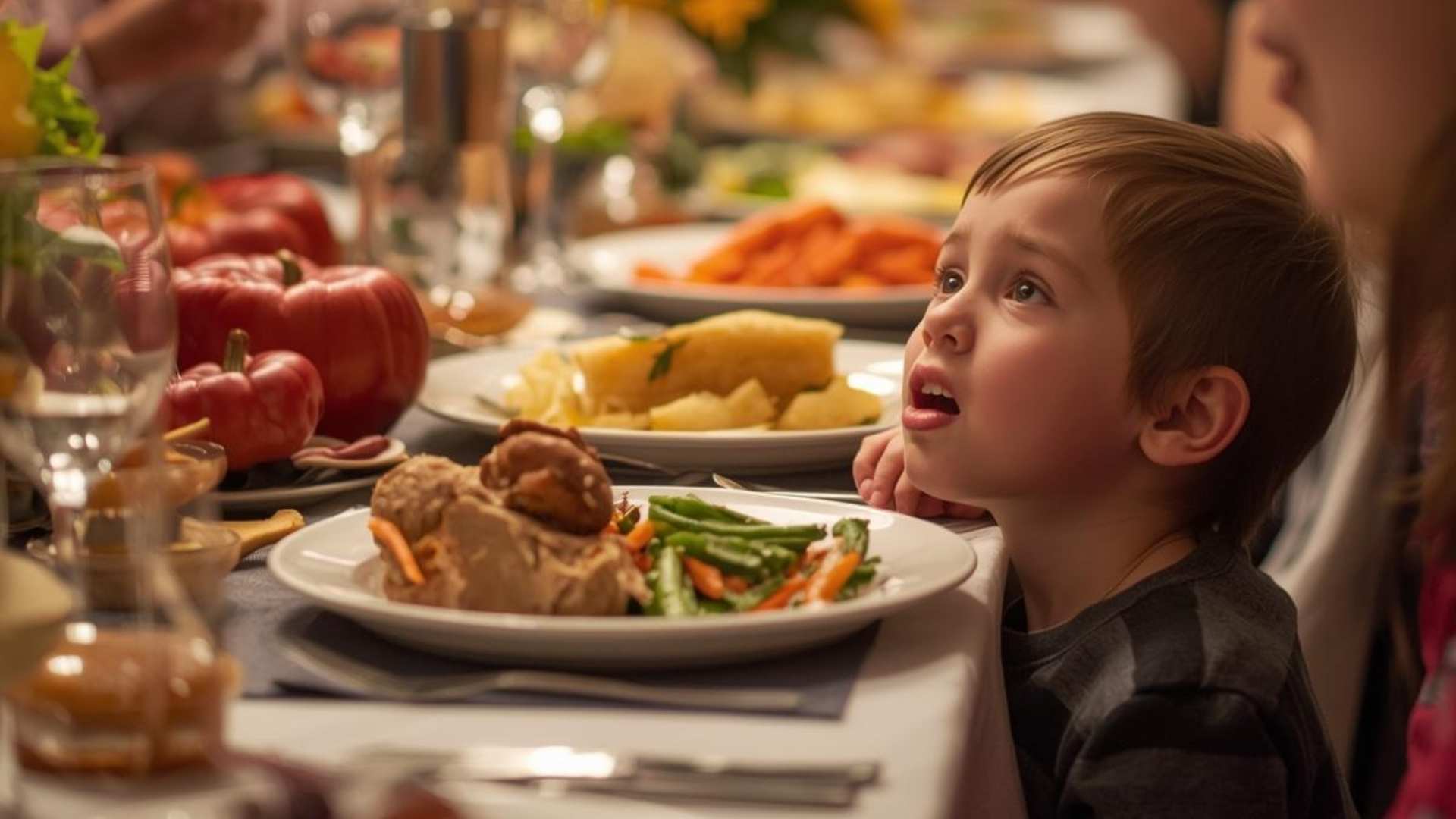
As autumn air fills Tennessee and families begin preparing for Thanksgiving, many parents raising children with autism find themselves asking this question. Thanksgiving brings opportunities for joy, gratitude, and connection, but also challenges for families navigating Thanksgiving and autism. The good news? With thoughtful preparation and understanding, it’s absolutely possible to host a calm, sensory-friendly Thanksgiving that everyone enjoys.
Why Thanksgiving Can Be Challenging for Children with Autism
The holidays are filled with warmth, family, and new experiences, but for individuals with Autism Spectrum Disorder (ASD), they can also bring sensory and emotional challenges.
ASD is a neurodevelopmental condition that affects how an individual perceives the world and interacts with others. People with autism experience differences in communication, social interaction, and sensory processing, which can influence how they perceive and engage with events like Thanksgiving.
Many people with autism find social gatherings overwhelming because these environments involve unpredictable situations such as large groups, changes in schedule, and new sensory inputs like smells, sounds, and textures. The buzz of conversation, bright lights, or even an unfamiliar seat at the dinner table can create discomfort or confusion.
These aren’t signs of disinterest or misbehavior; they’re often the result of sensory sensitivities and the need for predictability that help individuals with autism feel safe and regulated.
Thanksgiving in particular combines multiple social and sensory elements all at once — unfamiliar foods, new social rules, and shifting attention among many relatives. For a person with autism, this can result in sensory overload, leading to withdrawal, anxiety, or emotional distress. Understanding these responses allows families to approach the holiday with empathy and planning, turning potential stress into connection.
In this blog by ABA Centers of Tennessee, we show you how to transform Thanksgiving and autism into a more inclusive experience, with preparation, structure, and a focus on sensory comfort. By setting clear expectations, introducing new experiences gradually, and offering quiet spaces when needed, you can ensure your celebration feels both welcoming and peaceful for everyone.
Preparing for a Sensory-Friendly Thanksgiving!
The key to a smoother, more joyful autism and Thanksgiving celebration lies in planning. By previewing the day’s events, you can help your child feel secure and ready for what’s ahead.
Here are a few ways to prepare:
- Visual Schedules: Show pictures of family members, foods, and settings you’ll encounter. Discuss each step of the day in simple, clear language.
- Practice Routines: Rehearse greetings or activities like setting the table to give your child confidence.
- Create a Quiet Zone: Set up a calm retreat space with familiar items in case your child needs a sensory break.
Structured preparation and visual supports can make major events like holidays far less overwhelming.
5 Tips for an Autism-Friendly Thanksgiving Day
Here are practical, sensory-friendly Thanksgiving ideas to help your family feel comfortable, connected, and joyful:
- Communicate with Loved Ones
Let guests know how they can support your family’s sensory-friendly plan. Whether it’s dimming lights, limiting background music, or skipping strong-scented candles, small gestures go a long way.

- Keep Comfort Items Nearby
Bring your child’s favorite toys, fidgets, or noise-canceling headphones. Having something familiar provides reassurance amid the excitement of Thanksgiving and autism festivities.
- Mind Sensory Overload
Thanksgiving can be full of strong smells and sounds. Play soft music or give your child quiet time as needed. As the UK’s National Autistic Society explains, sensory breaks help regulate energy and emotions during stimulating events.
- Stick to Predictability
Maintain consistency where possible, from mealtimes to favorite activities. Predictable routines are comforting for people with autism, particularly during busy holidays.
- Focus on Inclusion
Invite your child to participate in simple tasks, such as arranging napkins or helping decorate. Involvement fosters confidence and makes autism and Thanksgiving more enjoyable for everyone.
About Managing Food Aversions During Thanksgiving
Food aversions can make Thanksgiving and autism meals tricky, but with patience and the proper approach, you can create a mealtime that feels calm, inclusive, and truly sensory-friendly.
Why Food Selectivity Happens
Many people with autism experience food selectivity, preferring a narrow range of familiar foods while rejecting others. According to research published in the Journal of Autism and Developmental Disorders, children with autism may show fewer outright food refusals over time. Still, their variety of accepted foods often remains limited. That means it’s essential to focus on gradual, supportive exposure rather than quick change.
Practical Tips for a Sensory-Friendly Thanksgiving Table
- Include Familiar Foods: Always serve a few “safe foods” your child already enjoys. This helps reduce stress and ensures they have something comforting to eat.
- Introduce New Foods Slowly: Offer small tastes before Thanksgiving Day or let your child help prepare a new dish. Exposure without pressure promotes acceptance.
- Serve Mini Portions: Tiny bites of new foods can feel less intimidating and more achievable.
- Provide Choices: Offering simple options, like plain versus buttered veggies, can give your child a sense of control and increase comfort.
- Stay Calm and Positive: Avoid pressuring your child to eat new items. Studies also emphasize that progress happens gradually and consistency matters more than speed.
If your child’s food preferences are minimal or affecting nutrition, consider consulting a BCBA, dietitian, or pediatric specialist. Professional support can help identify whether sensory sensitivities or other factors are influencing eating behaviors.
The Role of ABA Therapy in Managing Thanksgiving Challenges
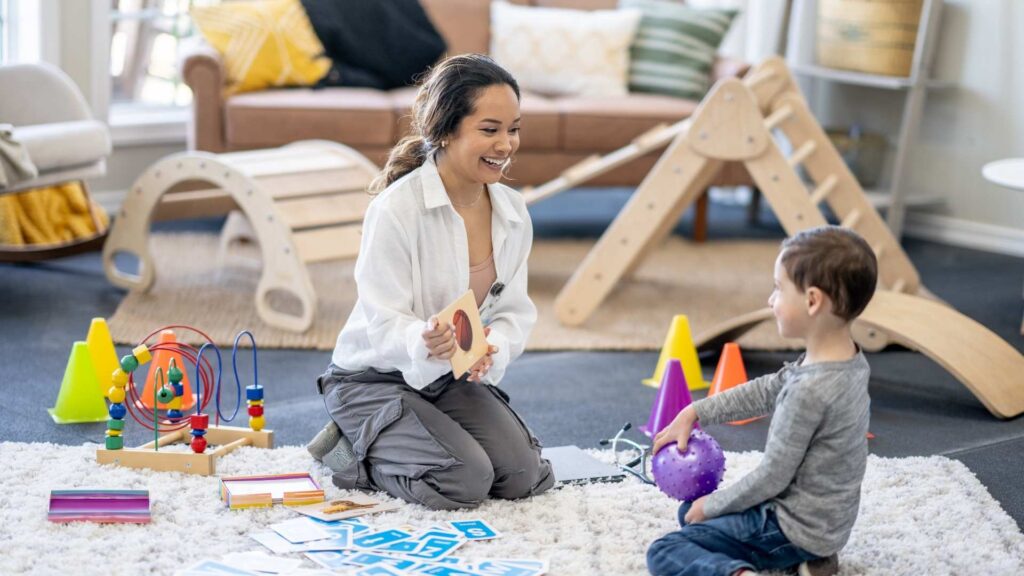
Applied Behavior Analysis (ABA) therapy is one of the most effective ways to help children with autism develop the skills needed to manage sensory challenges, transitions, and social situations. Through individualized plans, ABA therapy teaches coping mechanisms, communication skills, and strategies for self-regulation — all of which can make Thanksgiving and autism celebrations more successful.
At ABA Centers of Tennessee, our Board-Certified Behavior Analysts (BCBAs) and dedicated therapists support families in building calm, joyful routines through evidence-based techniques. These skills don’t just make holidays smoother; they improve everyday family life.
If you’re seeking guidance on how to help your child thrive during the holidays and beyond, we invite you to schedule a free consultation with ABA Centers of Tennessee by clicking here or calling us at (844) 423-9483. Our compassionate team can help you discover how ABA therapy can make your family’s sensory-friendly Thanksgiving more relaxed, inclusive, and full of joy.
A Thanksgiving of Connection and Gratitude
Remember: creating an autism-friendly Thanksgiving is about presence, understanding, and love. With preparation, empathy, and the proper support, you can build traditions that your child looks forward to year after year.
From all of us at ABA Centers of Tennessee, we wish you a peaceful, happy, and sensory-friendly Thanksgiving filled with gratitude, laughter, and connection.