Table of Contents
Is Sensory Processing Disorder Related to Autism?
When your child covers their ears at the sound of a blender, refuses to wear certain fabrics, or seems overwhelmed by bright lights, you might wonder: Is sensory processing disorder (SPD) related to autism? It’s not as simple as answering yes or no. However, recent research reveals a profound connection between sensory processing disorder and autism spectrum disorder that can help us better understand and support our loved ones.
Sensory processing disorder and autism spectrum disorder share a complex relationship that goes far beyond surface-level behaviors. While not all individuals with sensory processing challenges are autistic, nearly all individuals with autism experience some form of sensory differences.
These differences aren’t just quirks or preferences; they represent fundamental neurological variations in how the brain processes and responds to the world around us.
The medical community has officially recognized the significance of this connection. The Diagnostic and Statistical Manual of Mental Disorders, 5th Edition (DSM-5) now includes sensory issues as a primary diagnostic criterion for autism, marking a pivotal shift from viewing sensory challenges as secondary symptoms to understanding them as core characteristics of the autistic experience.
This recognition opens doors to better support, more targeted interventions, and, most importantly, greater empathy for the daily experiences of individuals navigating a world that often feels overwhelming or unpredictable. In this blog by ABA Centers of Tennessee, we will explain the reason behind sensory issues in autism to empower families, educators, and caregivers to adapt environments and support individuals with autism to thrive.
Understanding How Sensory Issues in Autism Affect the Brain
To truly support someone with sensory processing disorder and autism spectrum disorder, we need to understand what’s happening beneath the surface. Recent neuroimaging studies have provided remarkable insights into how the autistic brain processes sensory information, offering scientific validation for experiences that families have long observed.
The Timing Challenge in Sensory Processing Disorder and Autism Spectrum Disorder
Groundbreaking research using electroencephalography (EEG) and magnetoencephalography (MEG) has revealed something fascinating about sensory processing in autism. The core challenge may not be about the strength of the brain’s response to sensory input, but rather its timing.
Studies show that individuals with autism demonstrate significantly longer latencies, or delays, in several early brain responses to sensory stimuli compared to non-autistic individuals. These delays occur in critical processing components like the P/M50, P/M100, N170, and P/M200, with the P/M50 showing the most significant alteration.
While these delays may seem minimal, often just fractions of a second, their impact cascades throughout the entire sensory processing system. Imagine trying to follow a conversation when every word arrives just a split second later than expected or attempting to navigate a crowded room when visual information is constantly arriving out of sync. This timing difference helps explain sensory issues in autism.

When Sensory Filtering Breaks Down
The prolonged P/M50 latency particularly affects something called sensory filtering, the brain’s remarkable ability to prioritize important information while suppressing irrelevant background noise. When this filtering mechanism operates atypically, the environment becomes a constant source of unmodulated input.
Think about sitting in a busy restaurant. A typically functioning sensory filter allows you to focus on your dinner conversation while automatically tuning out the clinking dishes, background music, and neighboring conversations. For someone with SPD in autism, all these sounds may demand equal attention, creating a cacophony that makes concentration nearly impossible.
This breakdown in sensory filtering manifests in two primary ways:
- Sensory-avoidant behaviors emerge when individuals try to reduce overwhelming input. Covering ears in crowded spaces, refusing certain clothing textures, or seeking quiet, dimly lit environments are logical coping mechanisms rather than behavioral problems.
- Sensory-seeking behaviors occur when individuals actively pursue intense, predictable sensory input to help their nervous system regulate. Spinning, jumping, seeking deep pressure, or engaging in repetitive movements provide the strong sensory feedback needed to achieve calm and focus.
Understanding these behaviors as neurological adaptations rather than willful actions transforms how we respond. Instead of asking “Why can’t they just cope?” we can ask “What sensory supports do they need to feel comfortable and regulated?”
How SPD in Autism Affects Relationships
One of the most profound discoveries in recent research by the Journal of Clinical Medicine is the direct link between social challenges and sensory issues in autism. This connection reveals how sensory processing forms the foundation for social learning and connection.
When Social Cues Get Lost in Translation
Research has identified prolonged N170 latency in adolescents and adults with autism, a brain response specifically tied to social perception and facial recognition.

Eye-tracking studies reveal that children with more intense sensory issues display significantly different visual exploration patterns of social scenes compared to their typically developing peers. They may avoid direct eye contact or miss subtle facial expressions that convey crucial social information. When the brain is delayed in processing these non-verbal cues, the complex dance of social interaction becomes much more challenging to navigate.
How SPD in Autism Impacts Daily Living
The neurophysiological differences we’ve discussed aren’t abstract concepts; they have direct, tangible impacts on everyday activities that many of us take for granted. The Children’s Hospital and the Institute of Child Health illuminate the connection between atypical sensory-motor responses and practical life skills, providing a new framework for understanding and offering support.
Atypical sensory-motor responses, particularly those related to visual processing, show high correlation with difficulties in Activities of Daily Living (ADLs). Tasks like dressing, grooming, and bathing can present significant challenges when sensory processing operates differently.
Consider the seemingly simple task of getting dressed. For someone with visual processing differences, finding armholes in a shirt or distinguishing between similar-colored socks becomes a complex challenge. Motor planning difficulties might make coordinating the movements needed to pull on pants feel overwhelming. Tactile sensitivities could make certain fabrics feel unbearable against the skin.
Supporting Children with SPD in Autism Through Early Intervention
Understanding the neurological basis of sensory processing differences in autism opens doors to more effective, compassionate support strategies.
Research consistently shows that early, targeted intervention can significantly improve outcomes for children navigating these challenges.
The Power of ABA Therapy and Sensory Integration
Applied Behavior Analysis (ABA) therapy, when combined with sensory integration approaches, offers powerful tools for supporting children with sensory processing disorder and autism spectrum disorder. Modern ABA practices recognize that addressing sensory regulation often serves as a prerequisite for effective learning and skill development.
ABA therapists trained in sensory-informed approaches can help children develop coping strategies for sensory overload, practice self-regulation techniques, and gradually expand their sensory tolerance in a supportive environment.
Approaching Sensory Issues in Autism
- Family-Centered Care
Family-centered care models lead to significantly improved functional outcomes, behavior, and support needs for children and adolescents with autism. Greater family involvement directly correlates with more favorable long-term results.
Successful family-centered care includes:
- Education about sensory processing differences to help families understand their child’s experiences
- Environmental modification strategies tailored to the child’s specific sensory profile
- Consistent approaches between home, school, and therapy settings
- Regular collaboration between families and professional support teams
- Creating Sensory-Friendly Environments
Creating environments that anticipate and accommodate sensory differences across multiple domains. A comprehensive approach addresses challenges in auditory, visual, and tactile processing.
Auditory Accommodations
- Providing noise-canceling headphones for overwhelming environments
- Creating designated quiet spaces for sensory breaks
- Using visual cues alongside verbal instructions
- Being mindful of sudden or unexpected sounds
- Offering white noise or calming background sounds when helpful
Visual Environment Modifications
- Minimizing visual clutter and overstimulation
- Using warm, non-fluorescent lighting when possible
- Providing visual schedules and social stories for predictability
- Considering the impact of patterns, colors, and visual complexity
- Creating calm, organized spaces that support focus and regulation
Tactile Considerations
- Offering various textures for sensory regulation (fidgets, weighted items)
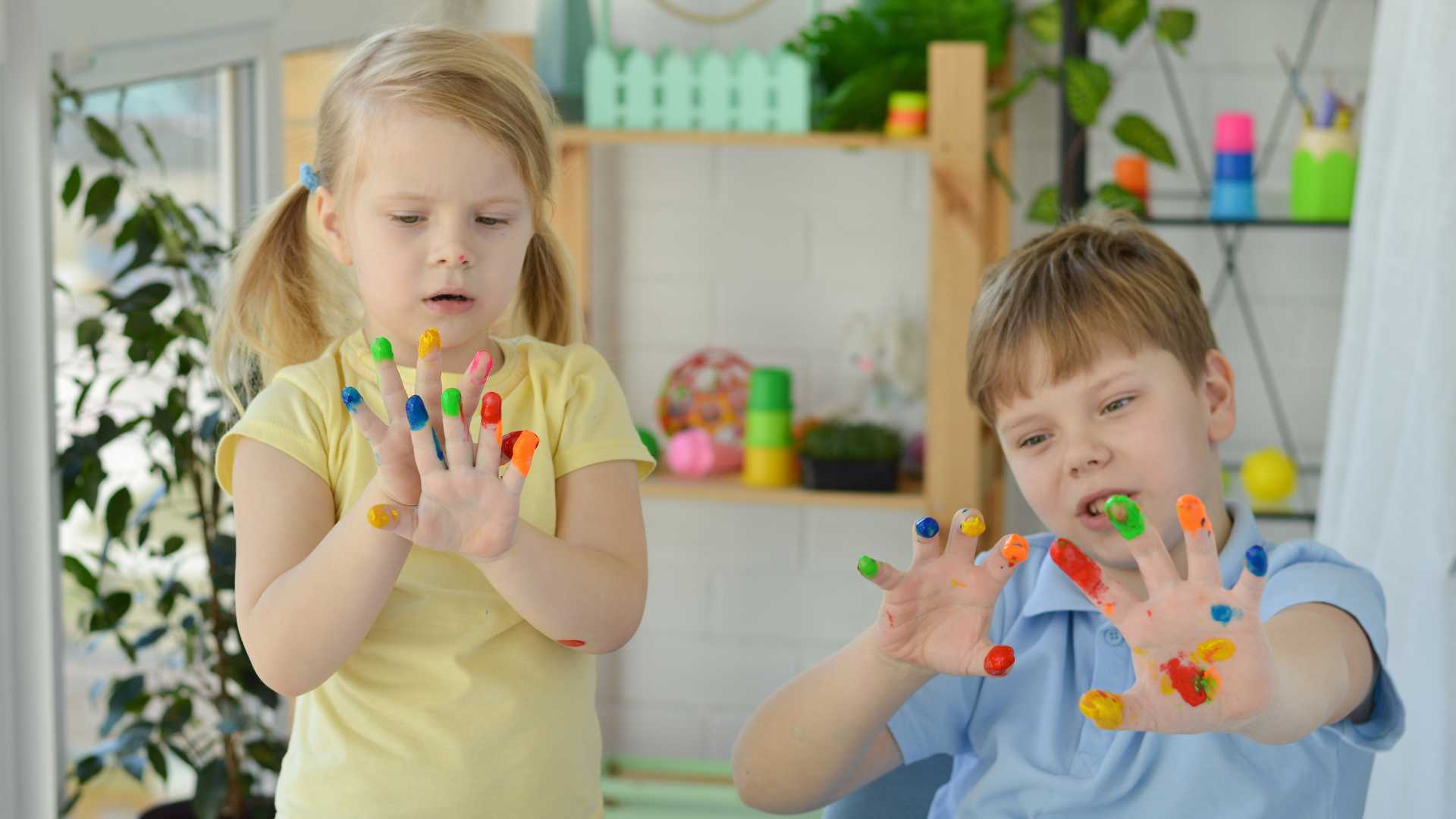
- Being highly considerate of clothing materials, fit, and tags
- Providing alternatives for tactile activities
- Respecting individual tactile preferences and boundaries
- Gradually introducing new textures in a supportive manner
Moving Forward with Understanding and Support
The latest research on sensory processing disorder and autism spectrum disorder reveals a profound truth: sensory differences aren’t obstacles to overcome but neurological variations to understand and accommodate.
The evidence shows us that SPD in autism isn’t about secondary symptoms; they’re fundamental aspects of how autistic brains process the world. The timing differences in neural responses, the challenges with sensory filtering, and the impact on daily living skills all point to the need for informed, compassionate support that addresses root causes rather than surface behaviors.
For families navigating these challenges, remember that your child’s sensory responses make perfect neurological sense. Their need for accommodations, their coping strategies, and their unique way of experiencing the world deserve understanding and support, not judgment or forced compliance.
ABA Centers of Tennessee: Professional Care for Sensory Processing Disorder and Autism Spectrum Disorder
If you’re seeking support for a loved one with sensory issues in autism, know that specialized help is available. Professional teams can provide comprehensive assessments and develop individualized support plans that honor your child’s unique neurological profile while building essential life skills.
At ABA Centers of Tennessee, we understand the complex relationship between sensory processing disorder and autism spectrum disorder. Our team offers diagnostic testing, early intervention services, and specialized ABA therapy designed to support the whole child, including their sensory needs. Call us today at (844) 423-9483 or connect online. We’re here to help you navigate this journey with understanding, expertise, and hope.