Halloween with Autism: Tricks For A Successful Holiday

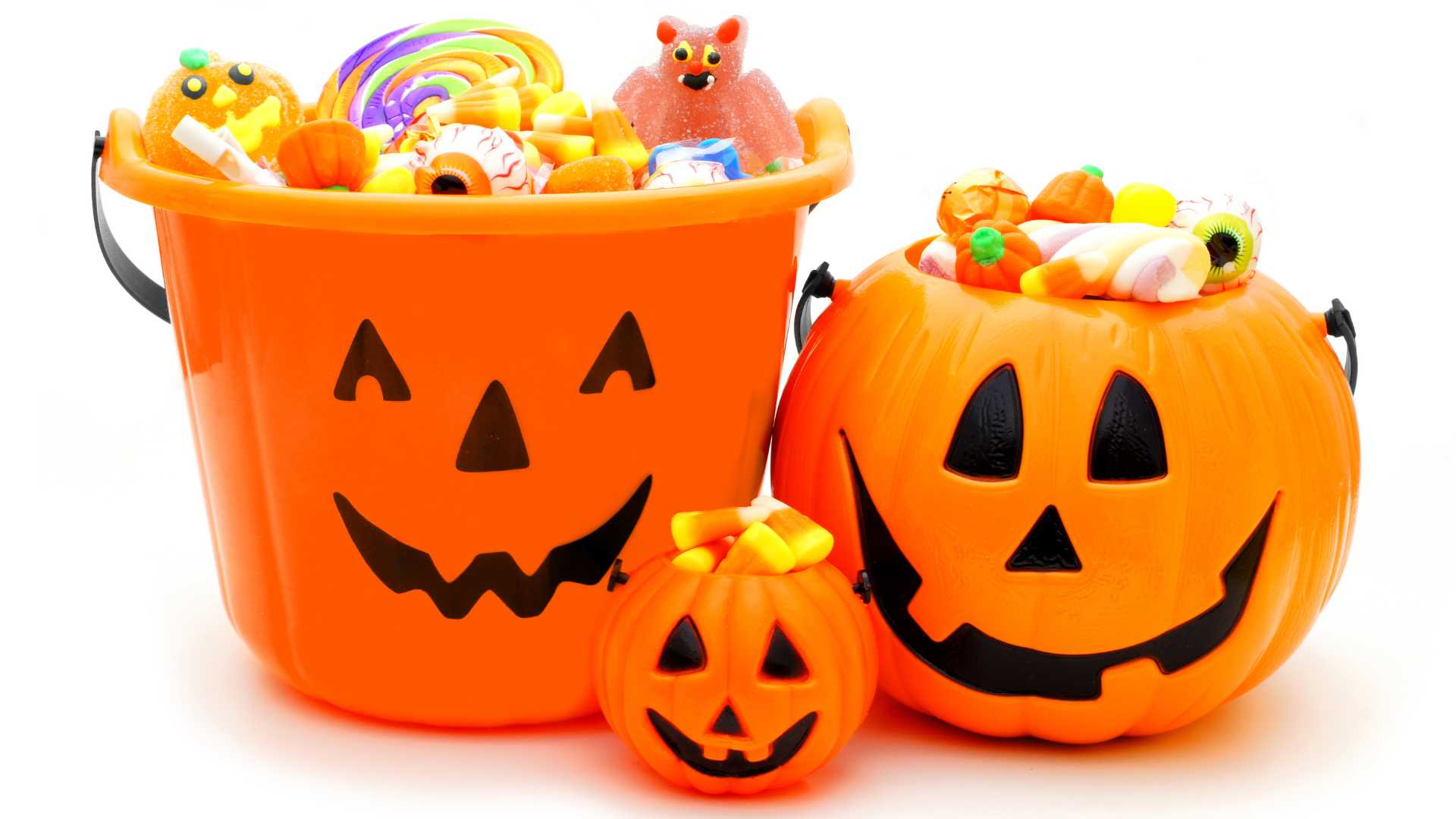
Halloween with autism: Halloween and autism: Three smiling plastic jack-o’-lantern containers, one in the shape of a bucket, the next circular, and the other small, filled to the brim with toys and candy.

Table of Contents

How to Prepare for this Upcoming Halloween with Autism?

When the air becomes crisp, and the leaves show signs of age, you know the holiday season is approaching. Halloween, a time of excitement and festivity for many,  for individuals with autism spectrum disorder (ASD) can present unique challenges due to sensory sensitivities and social interactions.

Halloween presents an infrequent chance for self-expression for individuals with ASD. They can dress how they like, make their special interests a part of their day, and have easy access to their favorite foods. But its simulated terror can also be stressful and even trigger sensory overload.

This is why ABA Centers of Tennessee offers you a month’s head start with our tips for a Halloween with autism; we care about ensuring this holiday can leave lasting memories full of fun and whimsy. This comprehensive guide will explore strategies to help make a sensory-friendly Halloween celebration for individuals with autism.

Understanding Autism and Sensory Sensitivities
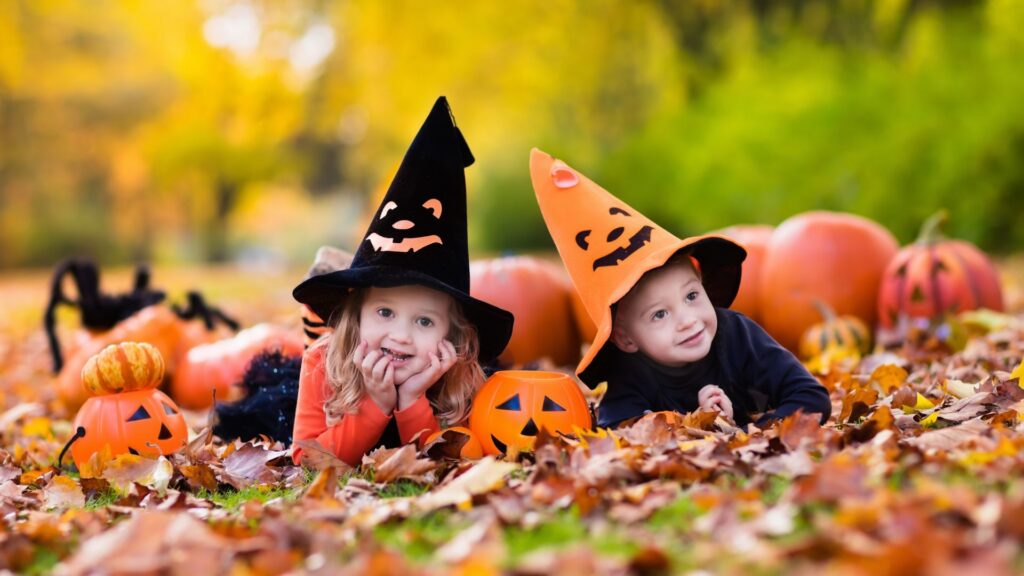
Two children wearing Halloween hats and playing outdoors with pumpkins

Before we delve into specific tips for a sensory-friendly Halloween, we must have a solid grasp of the sensory sensitivities that individuals with autism often experience. While autism is a spectrum condition and these sensitivities can vary widely, some common ones include:

  1. Auditory Sensitivities: Hypersensitivity to sounds. The loud noises associated with Halloween, such as doorbell ringing, loud music from parties, chainsaw-wielding trick-or-treaters in the streets, and singing animatronics, can be overwhelming for them.
  2. Visual Sensitivities: Hypersensitivity to bright or flashing lights. The intense decorations and strobe lights commonly used during Halloween can be distressing.
  3. Tactile Sensitivities: Sensory sensitivities can also extend to touch. The textures of costumes, face paint, or specific Halloween decorations may cause discomfort.
  4. Social Interactions: Trick-or-treating usually involves knocking on a stranger’s door and talking to them. Many individuals with autism struggle with social interactions and may feel overwhelmed by the increased number of people in the neighborhood during Halloween.
  5. Routine Disruption: Individuals with autism often thrive on routines and predictability. They have preferred clothes, foods, and activities that give their day a sense of comfort while excluding things that affect them harshly. Disrupting their usual routine for Halloween can be challenging.

Addressing Sensitivities for a Halloween with Autism

For Auditory Sensitivities

  1. Noise-Canceling Headphones: These can help filter out or reduce the intensity of loud sounds.
  1. Prepare in Advance: Tell your child what to expect on Halloween night. Discuss the sounds they might encounter and explain that some, like doorbells or cackling robot jack-o’-lanterns, will be temporary. One idea is to show them a YouTube video about neighborhood decorations to prepare them for some stimuli.
Glowing jack-o’-lanterns used as Halloween decorations
  1. Choose a Quiet Neighborhood: Main streets and neighborhoods known for their Halloween decorations will be busy the day of. Look for a quieter setting for trick-or-treating with fewer loud noises or disturbances.
  2. Choose Alternative Hours: Most people tend to trick-or-treat at night, but the streets will be emptier, and the decorations are mellower before the sun goes down. If you are unsure whether your child can handle the sensory experience, consider this option to give them the experience in a more controlled environment.

For Visual Sensitivities

  1. Sensory-Friendly Halloween Decorations: Consider using sensory-friendly Halloween decorations like soft, plush decorations or those that emit soothing lights instead of flashing or strobe lights.
  2. Dim Lighting: Use dimmer lighting in your home to create a more calming atmosphere. Avoid excessive flashing decorations.
  3. Limit Exposure: If your child is sensitive to visual stimuli, keep decorations in your home to a minimum or select less visually overwhelming decorations.

For Tactile Sensitivities

  1. Clothing: Opt for cozy, sensory-friendly Halloween outfits made from soft, breathable materials. Avoid costumes with scratchy tags or tight elastics.
  2. Try Costume Accessories: If a full costume is uncomfortable, consider using accessories like hats, masks, or capes that are less intrusive.
Two children wearing comfortable Halloween costumes and posing together
  1. Include Special Interests: A common trait of autism is a fixation or fascination with specific subjects or characters; this sometimes shows as a particular attachment to a video game or TV show. Halloween offers the perfect chance to express this joy and appreciation, allowing for maximum self-expression and a full embrace of their particular interests.
  2. Practice Wearing Costumes: Encourage your child to practice wearing the costume at home before Halloween night. Gradual exposure can help desensitize them to its feel.

For Social Interactions

  1. Trick-or-Treat Practice: Role-play interactions with neighbors or friends to help your child feel more confident when greeting people during trick-or-treating. You can visit a familiar neighbor’s house to practice the trick-or-treating routine. You can also do this at home. Have your child ring the doorbell, say “trick-or-treat,” and ask them the standard questions; they’ll be much less anxious on the day of.
  2. Plan Alternative Activities: If traditional trick-or-treating is too socially overwhelming, consider alternative Halloween activities, such as a scavenger hunt at home or visiting sensory-friendly Halloween events in your community.
  3. Educate Your Neighbors: Take the opportunity to educate your neighbors about autism and sensory sensitivities. If you are trick-or-treating in a group, a friendly conversation with participating parents to explain autism and your child’s preferences can inform them of what to avoid to create a more inclusive environment.
  4. Set Realistic Expectations: Prepare your child for what to expect during social interactions on Halloween night, emphasizing that it’s okay to take breaks if they feel overwhelmed.

For Routine Disruption

  1. Create a Visual Schedule: Outline the activities and expectations. Something that can help is a social story about one of your Halloweens: what you wore, what you ate, what you saw, and how much fun it was. Review it together to reduce anxiety and establish a sense of predictability.
  2. Maintain Familiar Elements: Keep some elements of your child’s routine consistent, such as bedtime or mealtime, to provide stability amid the holiday festivities.

Be Mindful of Candy

  1. Dietary Considerations: People on the spectrum exhibit higher rates of gastrointestinal issues. If your child has dietary restrictions or allergies, choose treats they can safely enjoy or study the ingredients of standard candy bars. Non-food items like stickers or small toys can be excellent alternatives.
Children in Halloween costumes choosing candy while trick-or-treating
  1. Offer Sensory-Friendly Treats: Some individuals with autism can be picky eaters and have sensory sensitivities related to taste and texture. Keep treats that align with their preferences on hand.

Family-Friendly Halloween Events in Tennessee

Looking for another way to celebrate Halloween with autism? Tennessee offers plenty of seasonal activities for families to explore. When choosing an event, keep your child’s preferences and sensory sensitivities in mind, including their comfort with crowds, music, costumes, lights, and unfamiliar environments.

  • Cheekwood Harvest: From September 19 through November 1, Cheekwood Estate & Gardens in Nashville transforms for fall with seasonal displays, outdoor activities, live entertainment, and thousands of pumpkins.
  • Movies at the Mansion: Hocus Pocus: On October 2, families can bring a chair or blanket to Two Rivers Mansion for an outdoor showing of Hocus Pocus, along with food trucks, yard games, and popcorn.
  • Fall Fun Fest at The Mall at Green Hills: This Nashville event features Halloween games, crafts, snacks, music, face painting, and other activities. Costumes are welcome, and tickets are required for participating children.
  • Boo at the Zoo at Nashville Zoo and Boo! at the Zoo at Zoo Knoxville: Families in Nashville and East Tennessee can explore these Zoos’ Halloween celebrations. Check each zoo website for dates, activities, and ticket details.

Before heading out, check each event for tickets or reservations, current event information, accessibility and inclusion resources, and potential sensory considerations. Knowing what to expect can help you choose an experience that best fits your child’s individual needs and preferences.

ABA Centers of Tennessee and a Happy Halloween
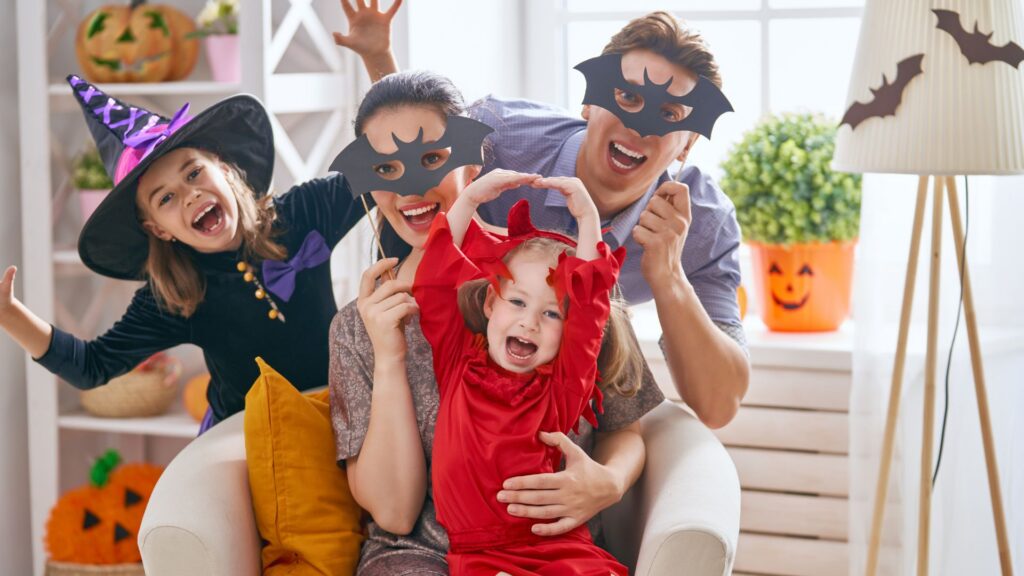
Family celebrating autism and Halloween together with costumes at home

At ABA Centers of Tennessee, we specialize in ABA, the most recognized, effective, and evidence-backed therapy method for teaching individuals on the spectrum healthy ways to grow and learn.

Through positive reinforcement and play-based sessions, kids can learn astounding new skills without realizing they are learning anything. ABA rewards individuals for successfully engaging and focusing on coping mechanisms to reinforce their strengths. With time and compassion, kids with ASD will improve their social interactions and academic performance, on their way toward independence.

Call (844) 423-9483 or visit our website for a free consultation and learn how ABA can help you enjoy Halloween with your loved one.

 

Scroll to Top