

Table of Contents
Why Is It Crucial to Provide Support for Parents of Children with Autism?
When a child receives an autism diagnosis, families often begin a journey filled with questions, emotions, and new responsibilities. For many caregivers, daily life becomes a balance between advocating for their child, learning about therapies, navigating services, and maintaining the well-being of the entire family.
This is why support for parents of children with autism is so essential. Behind every child’s developmental journey is a caregiver working tirelessly to provide stability, love, and guidance.
Research highlights that raising a child with autism can involve increased emotional stress, time demands, and financial pressures compared to many other caregiving situations. However, access to strong autism caregiver support networks can significantly improve family resilience and overall well-being.
Studies published in the Journal of Autism and Developmental Disorders emphasize that caregiver support systems and coping resources are key factors in improving family quality of life and reducing stress.
At the same time, many parents discover unexpected strengths along the way: deeper patience, stronger family bonds, and a renewed appreciation for small victories. With the right support for parents of children with autism, caregivers can feel empowered rather than overwhelmed.
In this article by ABA Centers of Tennessee, we explore the challenges parents face, the importance of autism caregiver support, and how services such as Applied Behavior Analysis (ABA) therapy can help families navigate this journey with confidence.
How Does Autism Affect Family Dynamics?
Autism can influence many aspects of family life, from routines and communication patterns to social interactions and emotional connections. Because every child with autism has unique strengths and needs, families often adapt their daily habits to create supportive environments.
Parents may need to plan schedules around therapy sessions, school supports, and structured routines. Siblings may also learn new ways to interact, communicate, and provide encouragement. These changes can reshape family dynamics, but they can also strengthen relationships when families work together.
Organizations focused on autism advocacy highlight that caregivers often benefit from shared experiences and education that help them understand their child’s developmental profile and communication style. Resources such as guides from Autism Speaks offer practical advice for families navigating these changes.
While adjustments can be challenging, families frequently develop greater empathy and teamwork. Strong autism caregiver support systems, including relatives, friends, educators, and clinicians, can help families maintain balance.
When communities prioritize support for parents of children with autism, families feel less isolated and more empowered to participate fully in everyday life.
What Challenges Do Parents of Children with Autism Face?
Parenting always requires patience and dedication, but raising a child with autism can present additional challenges that caregivers must learn to navigate over time.
Some of the most common challenges include:
1. Emotional and Mental Health Pressures
Parents may experience stress related to medical appointments, therapy coordination, and uncertainty about their child’s developmental path. Maintaining mental health is critical, which is why autism caregiver support networks and self-care strategies are strongly recommended by pediatric experts.
2. Navigating Services and Resources
Finding reliable services, therapy programs, and educational supports can feel overwhelming. Families often spend considerable time researching programs that provide meaningful support for parents of children with autism.
3. Social Misunderstanding
Misconceptions about autism and the common lack of awareness may lead to uncomfortable situations in public or social environments. Parents sometimes feel pressure to explain their child’s needs or manage reactions from others.
4. Managing Behavioral and Sensory Differences
Some children with autism experience sensory sensitivities, communication differences, or behavioral challenges. These differences may require careful planning to create environments where children feel comfortable and supported.
Despite these obstacles, parents consistently demonstrate resilience and dedication. With the right autism caregiver support, many families build strategies that help them navigate daily life more smoothly.
How Can Parents Balance Caring for Themselves and Their Child?
One of the most important yet overlooked aspects of parenting a child with autism is caregiver self-care. Many parents devote so much energy to supporting their child that their own well-being takes a back seat.
However, experts emphasize that maintaining caregiver health is vital for the entire family. Emotional support and encouragement can help parents maintain perspective and resilience.

Here are several ways parents can maintain balance:
Build a Support Network
Strong autism caregiver support often begins with connection. Support groups, family members, and professionals can offer practical advice and emotional reassurance.
Celebrate Small Victories
Progress may come in gradual steps: learning a new skill, improving communication, or adapting to new routines. Recognizing these moments can boost morale and reinforce positive momentum.
Seek Professional Guidance
Therapists, counselors, and autism specialists can help families develop coping strategies and parenting tools that make daily life more manageable.
Allow Time for Personal Care
Even small moments for rest, hobbies, or reflection can help caregivers recharge and maintain perspective.
These strategies reinforce the importance of ongoing support for parents of children with autism, ensuring caregivers remain strong advocates for their children.
What Types of Support Are Available for Autism Parents?
Fortunately, families today have access to a growing number of resources designed to provide meaningful support for parents of children with autism.
Educational Resources
Online learning platforms, research publications, and advocacy organizations help parents understand autism and evidence-based therapies. Some online resources offer guidance for families seeking information and community support.
Community and Peer Support
Parent support groups create safe spaces where caregivers can share experiences, challenges, and solutions. These communities often become powerful sources of autism caregiver support.
Professional Therapies
Therapies tailored to autism development can help children build essential skills while giving caregivers effective strategies for everyday challenges.
One of the most widely recognized approaches is Applied Behavior Analysis (ABA) therapy.
How ABA Therapy Provides Support for Parents of Children with Autism
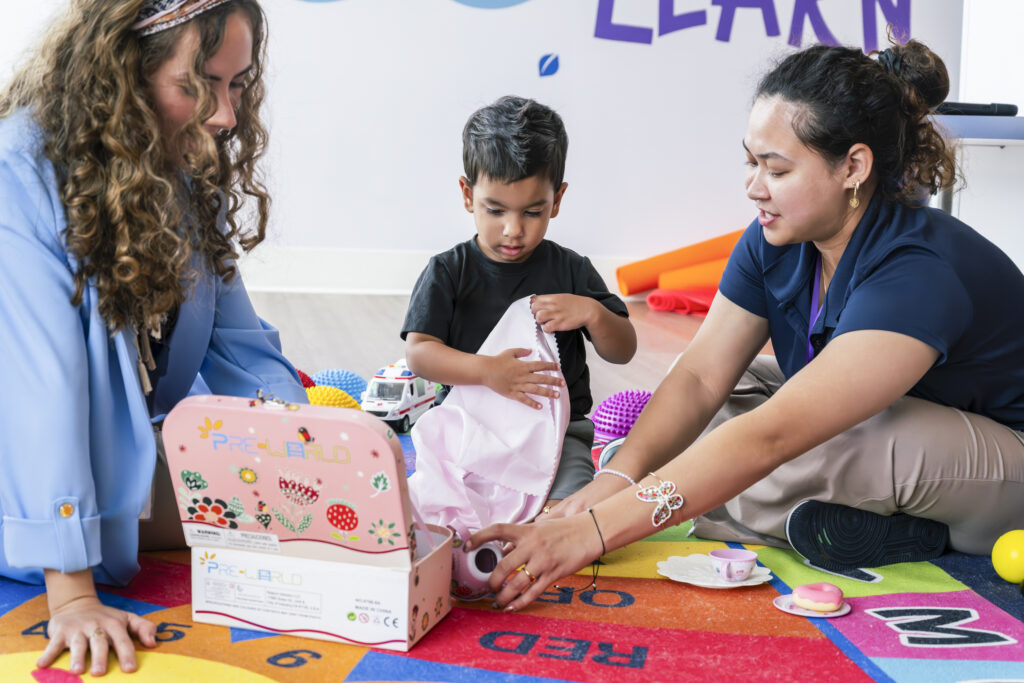
ABA therapy is a research-based approach that focuses on helping children develop communication, social, and daily living skills. By using structured teaching strategies and positive reinforcement, ABA therapy encourages meaningful progress in areas that matter most to families.
ABA therapy not only benefits children but also provides valuable autism caregiver support.
1. Parent Training and Guidance
ABA programs frequently include caregiver coaching, which involves teaching parents practical strategies to support their child’s development at home.
2. Behavior Management Tools
Families learn structured techniques for addressing challenging behaviors in a supportive and constructive way.
3. Improved Communication
ABA therapy often helps children develop functional communication skills, which can significantly improve family interactions and reduce frustration.
4. Greater Independence for Children
As children gain new abilities, parents often experience reduced stress and greater confidence in managing daily routines.
Through these benefits, ABA therapy becomes an important form of support for parents of children with autism, empowering families to move forward with clarity and optimism.
Finding Compassionate Autism Support in Tennessee
At ABA Centers of Tennessee, we understand that raising a child with autism is both a deeply meaningful and complex experience. Our team is committed to providing not only high-quality therapy for children but also essential autism caregiver support for families.
Our ABA programs are designed to help children:
- Develop communication skills
- Build social connections
- Strengthen daily living abilities
- Gain greater independence
Equally important, we work closely with caregivers to provide the guidance and tools needed to navigate everyday challenges. This collaborative approach ensures that families receive comprehensive support for parents of children with autism, both in therapy sessions and at home.
Every family’s journey is unique, and the right support can make a profound difference.
If you want to explore therapy options for your child, ABA Centers of Tennessee is here to help.
Contact our team today to learn more! Schedule a free consultation by clicking here or calling us at (844) 423-9483 and discover how personalized ABA therapy can support your child’s development while providing the guidance caregivers need.
Together, we can build a supportive path forward for your entire family.