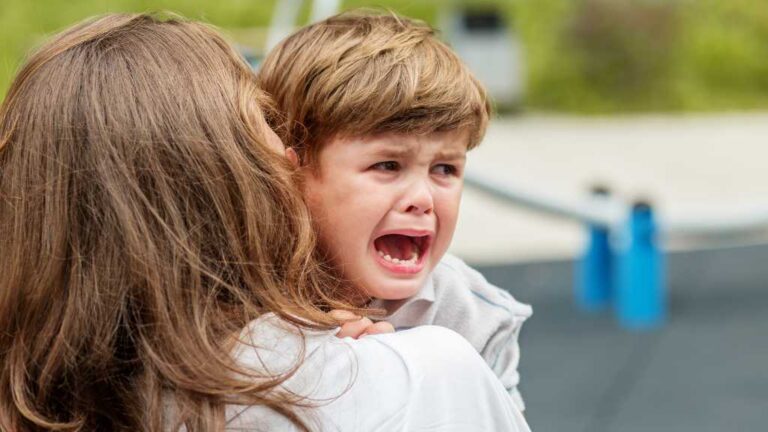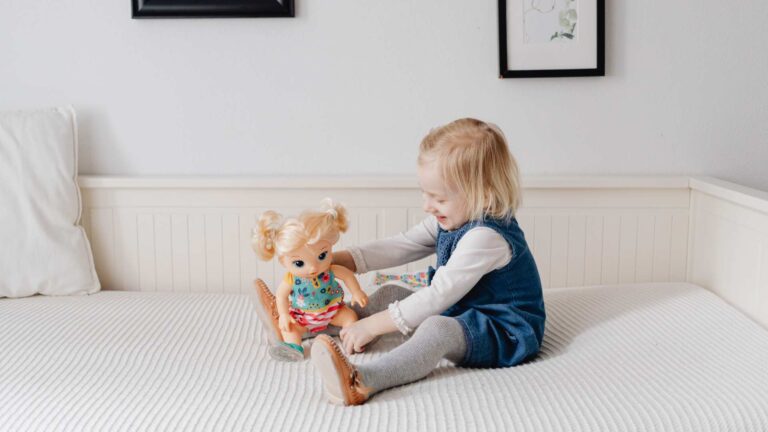
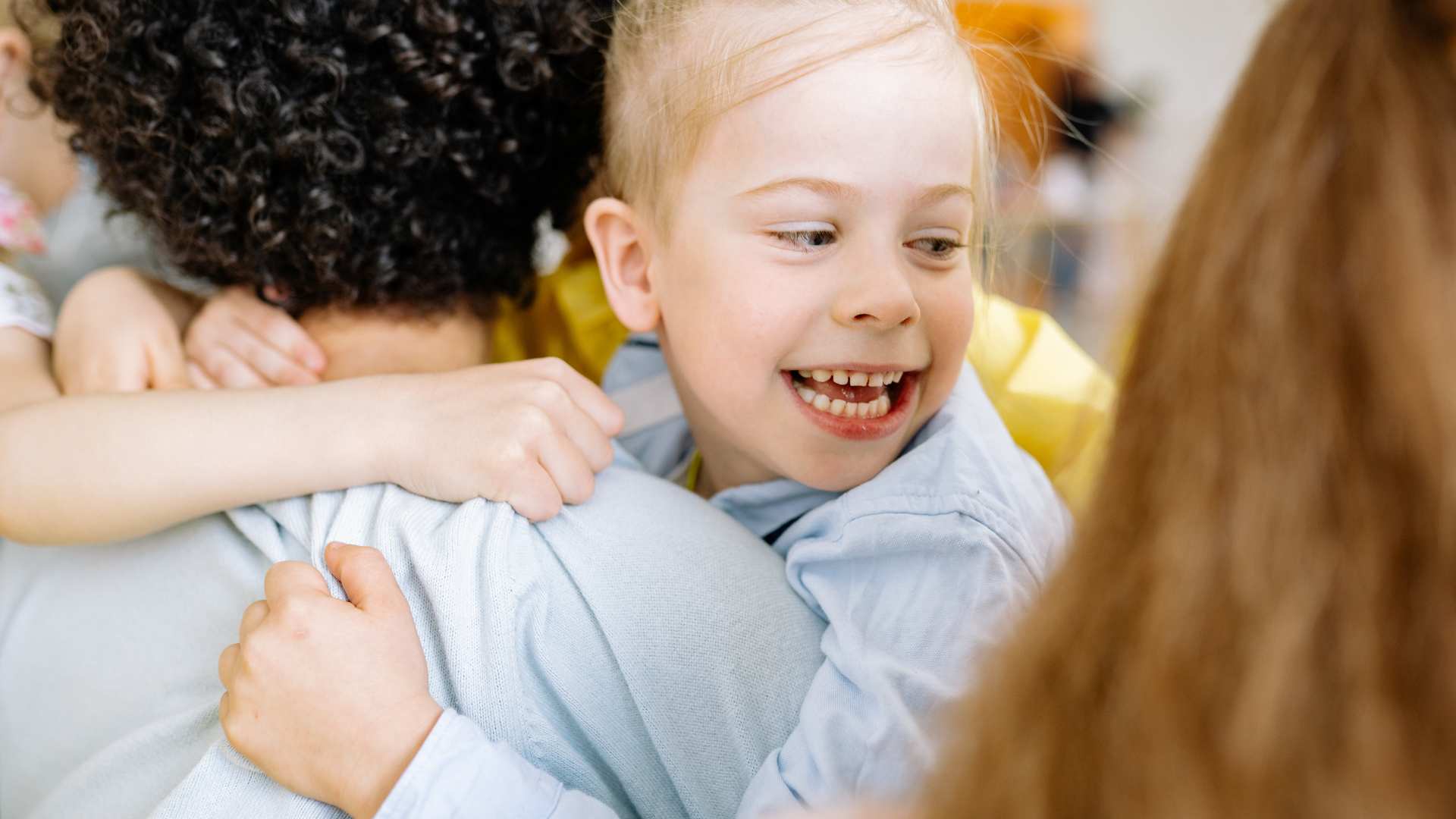

They may freeze, walk away, or say something that might sound out of place for others.
From the outside, these reactions might look like a lack of caring. But in many cases, the child may be experiencing strong emotional empathy and struggling to interpret or respond to the situation in a socially acceptable way.
Misreading social cues doesn’t mean a lack of caring. In reality, some people on the spectrum experience very intense emotional responses.
They may feel overwhelmed when others are upset, become deeply affected by injustice or unfairness, care strongly about others, and show empathy through actions rather than words.
Why Autism Is Often Associated with Low Empathy
For many years, autism research focused heavily on difficulties in social communication. Because individuals on the spectrum may struggle to interpret social cues, researchers initially assumed they lacked empathy altogether.
However, the relationship between autism and empathy is more nuanced than many people believe. Empathy can appear differently depending on how it is expressed or interpreted.
A Clinical Psychology Review analysis examined numerous studies on empathy in autism and found that results vary widely depending on how empathy is measured. Some tests show differences, while others reveal little difference between individuals with and without autism.
In other words, the idea that people on the spectrum universally lack empathy is an oversimplification.
Researchers increasingly recognize that the way empathy is expressed can vary from person to person. According to a 2024 study, empathy among individuals with autism is highly diverse. The researchers describe this as the “empathy heterogeneity hypothesis,” suggesting that empathy abilities differ widely across people on the spectrum.
The Double Empathy Problem: When Misunderstanding Goes Both Ways
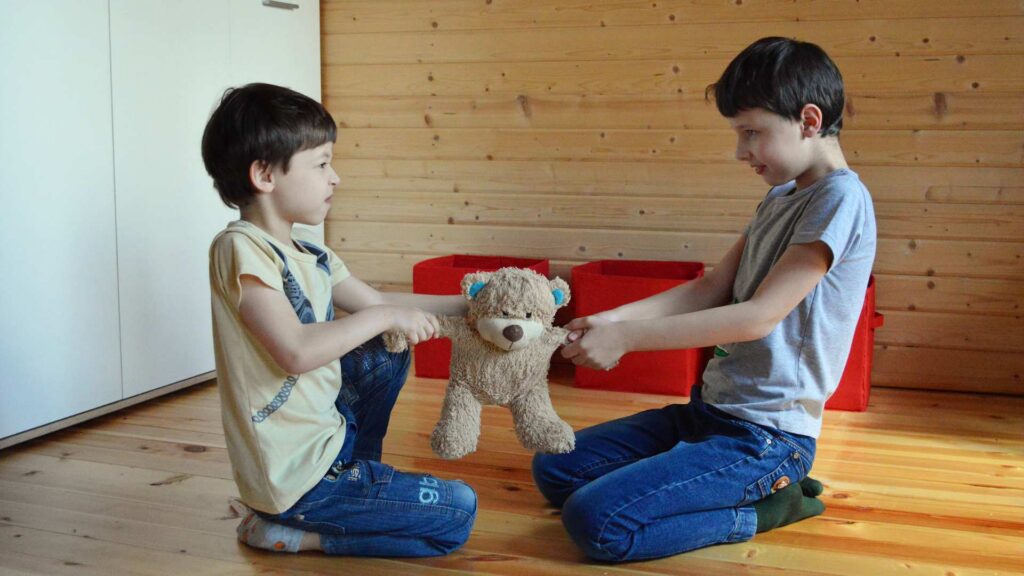
Another concept that has reshaped conversations about autism and empathy is known as the double empathy problem.
Traditionally, autism research framed social difficulties as a deficit within autistic individuals. But the double empathy theory suggests that communication challenges arise from differences between autistic and non-autistic communication styles, not just deficits in one group.
A paper on this theory published in the Autism Journal explores how misunderstandings can occur on both sides. Non-autistic individuals may misinterpret autistic communication just as much as individuals with autism may misinterpret neurotypical social cues.
For example, a person with autism may express concern through practical help rather than emotional words, while a neurotypical person may expect verbal reassurance and interpret the practical response as distant.
Both individuals care, but they communicate empathy differently.
Recognizing this mutual gap can reduce stigma and help families focus on understanding rather than labeling behaviors.
Can Children with Autism Develop Empathy Skills?
Yes, empathy skills can grow and develop over time. Like many social abilities, understanding emotions and navigating relationships often improve with experience, support, and guidance.
Children may benefit from learning tools such as:
- Identifying facial expressions
- Understanding tone of voice
- Practicing perspective-taking
- Learning scripts for social situations
- Building emotional vocabulary
Supportive environments that encourage curiosity and patience can make a meaningful difference.
How ABA Therapy Can Help Families Understand Autism and Empathy
ABA therapy focuses on helping children learn practical skills through structured teaching and positive reinforcement. In the context of empathy development, ABA therapy may help children:
- Recognize emotional cues in others
- Practice how to respond to social situations
- Develop conversational and communicational skills
- Learn strategies for managing overwhelming emotions
The goal is not to change who a child is, but to help them navigate social situations more comfortably and confidently. When families combine professional support with patience and understanding at home, children often gain tools that make everyday interactions easier.
Regarding parents, one of the most important shifts is learning to interpret their child’s behavior through a new lens.
Instead of asking, “Why doesn’t my child care about something?” it may help to ask:
- Is my child feeling overwhelmed?
- Are they struggling to interpret the situation?
- Do they need help understanding how to respond to this situation?
Approaching the behavior with curiosity rather than assumptions makes children feel understood, rather than judged. That way, they are more likely to develop confidence in their social interactions.
Understanding Autism and Empathy: A Different Perspective
The relationship between autism and empathy is far more complex than the stereotypes suggest. Research increasingly shows that those with autism can experience deep emotional empathy, even if they interpret social cues differently.